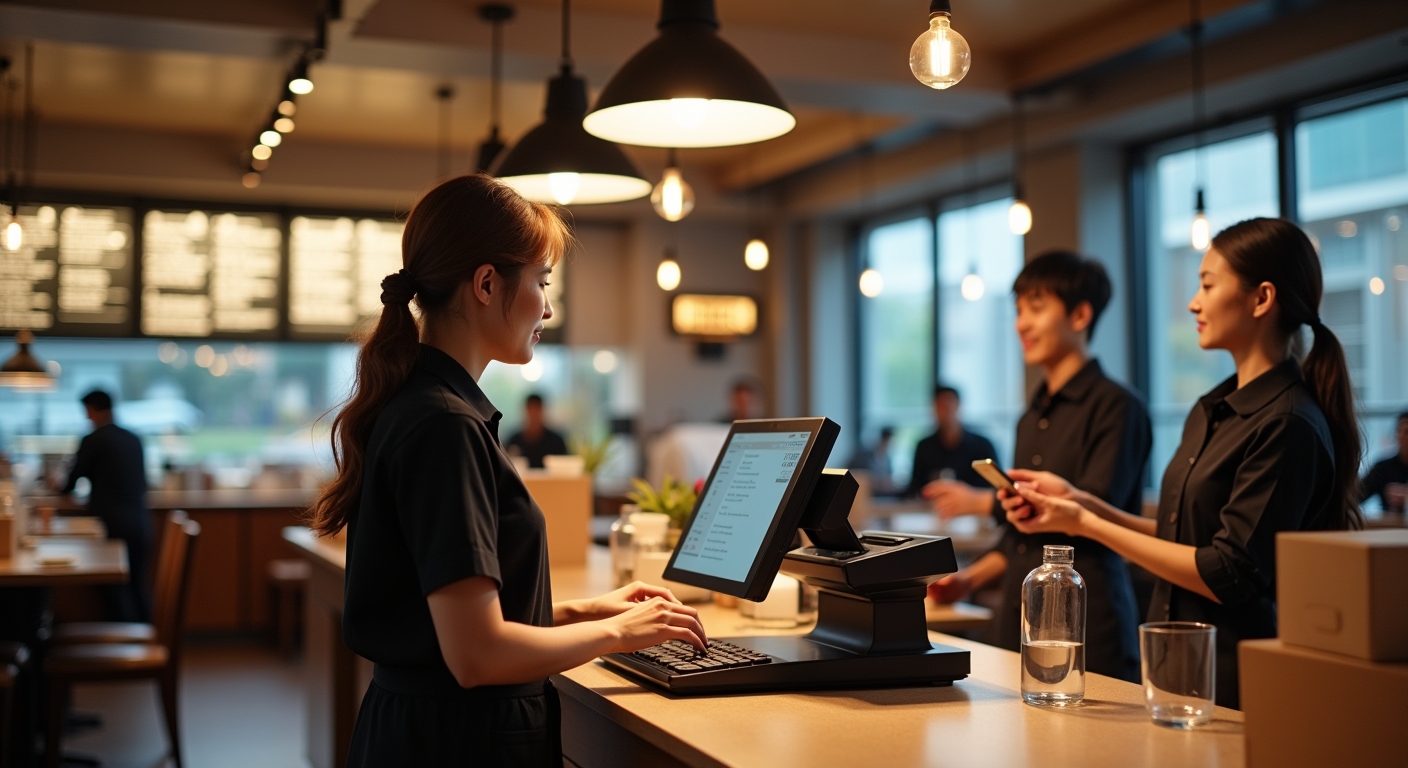
Choosing the best pos systems for restaurants in malaysia can directly affect your speed of service, stock control, and daily profit tracking. For restaurant owners, the right POS system is not just a billing tool. It helps manage dine-in orders, kitchen flow, staff performance, and delivery operations in one place. This guide compares what matters most when selecting a restaurant POS in Malaysia, so you can make a practical buying decision without getting lost in unnecessary features.
What Makes a POS System Good for Restaurants?
A restaurant POS should do more than process payments. It should support the way food businesses actually operate during busy service hours.
- Fast order entry for dine-in, takeaway, and delivery
- Table management and bill splitting
- Kitchen printer or kitchen display integration
- Inventory tracking for ingredients and menu items
- Sales reports by item, shift, and staff
- E-wallet, card, and QR payment support
If you are still planning your food business, this guide on how to start a small food business in Malaysia can help you understand the setup process before investing in software.
Best POS Systems for Restaurants in Malaysia: What to Look For
The best choice depends on your restaurant size, service style, and budget. In Malaysia, most restaurant owners compare POS systems based on these factors:
- Ease of use: Staff should learn it quickly with minimal training
- Local payment support: It should work smoothly with FPX, DuitNow QR, e-wallets, and card terminals
- Cloud access: Owners should be able to view sales remotely
- Menu flexibility: Easy editing for add-ons, combos, and seasonal items
- Support: Fast local customer service matters when issues happen during peak hours
- Pricing: Watch for monthly software fees, hardware costs, and setup charges
A simple café may only need a user-friendly POS with receipt printing and stock alerts, while a full-service restaurant may need table mapping, kitchen routing, and branch-level reporting.
Common Types of Restaurant POS Solutions in Malaysia
Restaurant POS systems usually fall into a few categories. Knowing the difference makes it easier to shortlist the right option.
- Tablet-based cloud POS: Popular for small to medium restaurants because setup costs are lower and updates are automatic
- Traditional counter POS: Often used by larger outlets that want dedicated hardware and fixed cashier stations
- Multi-outlet POS: Best for chains that need centralised reporting, standard menus, and branch comparisons
- Delivery-friendly POS: Useful for businesses with heavy food delivery volume and aggregator integrations
If delivery is a major part of your business model, it also helps to compare the best food delivery platforms in Malaysia alongside your POS options.
Key Features That Matter Most for Different Restaurant Types
Not every restaurant needs the same tools. The best POS system is the one that fits your operation closely.
For cafés and small eateries: Look for simple billing, QR payments, basic stock control, and daily sales summaries.
For full-service restaurants: Prioritise table layout management, split billing, kitchen printing, modifiers, and staff permissions.
For quick-service outlets: Focus on fast order input, promo management, self-order support, and queue efficiency.
For multi-branch brands: Choose central menu control, branch reporting, customer data tracking, and stronger inventory management.
A POS with too many features can slow staff down. One with too few features can create manual workarounds that waste time every day.
How to Compare Pricing Without Overpaying
Many restaurant owners only compare the headline monthly fee, but total cost is usually higher. Ask vendors for a full breakdown before deciding.
- Software subscription
- Hardware bundle costs
- Setup and training fees
- Payment terminal charges
- Add-on modules for inventory or loyalty
- Support or maintenance fees
It is smart to request a live demo and test common tasks such as opening a table, applying modifiers, splitting a bill, and correcting an order. A cheaper system is not a better deal if service becomes slower or reporting is unreliable.
How to Choose the Right POS for Your Restaurant
Start by listing your daily workflow problems. Do you need better stock tracking, faster checkout, smoother kitchen communication, or delivery integration? Then shortlist POS systems that solve those exact issues.
Before signing up, check whether the system supports local tax settings, receipt requirements, offline operation, and future expansion. It is also worth reading restaurant-specific reviews instead of general retail POS comparisons.
The best restaurant POS in Malaysia is not the one with the longest feature list. It is the one that helps your team serve faster, reduce mistakes, and give you clearer control over sales and costs.
Frequently Asked Questions
What is the best POS system for a small restaurant in Malaysia?
The best option for a small restaurant is usually a cloud-based POS that offers simple billing, local payment support, basic inventory tools, and affordable monthly pricing.
How much does a restaurant POS system cost in Malaysia?
Costs vary depending on software, hardware, and features. Small setups may start with lower monthly fees, but total cost can increase with printers, cash drawers, and add-on modules.
Do restaurant POS systems in Malaysia support food delivery?
Many do, especially cloud-based systems. Some support delivery order management directly, while others connect with third-party platforms or rely on manual integration.
Choosing a restaurant POS should be a practical business decision, not just a tech purchase. Focus on daily operations, local support, and features that match your service style, and you will have a much better chance of finding a system that works long term.