Starting a food business is one of the most popular entrepreneurial paths in Malaysia. From home-based baking to food trucks, hawker stalls, and cafés, the opportunities are vast — but success requires proper planning, legal compliance, and smart execution.
If you are wondering how to start a small food business in Malaysia, this step-by-step guide will walk you through everything you need to know, including choosing the right concept, getting licenses, estimating startup costs, and attracting customers.
Why Start a Food Business in Malaysia?
Malaysia’s diverse food culture creates strong demand for both traditional and innovative offerings. Food businesses can succeed because:
- Malaysians eat out frequently
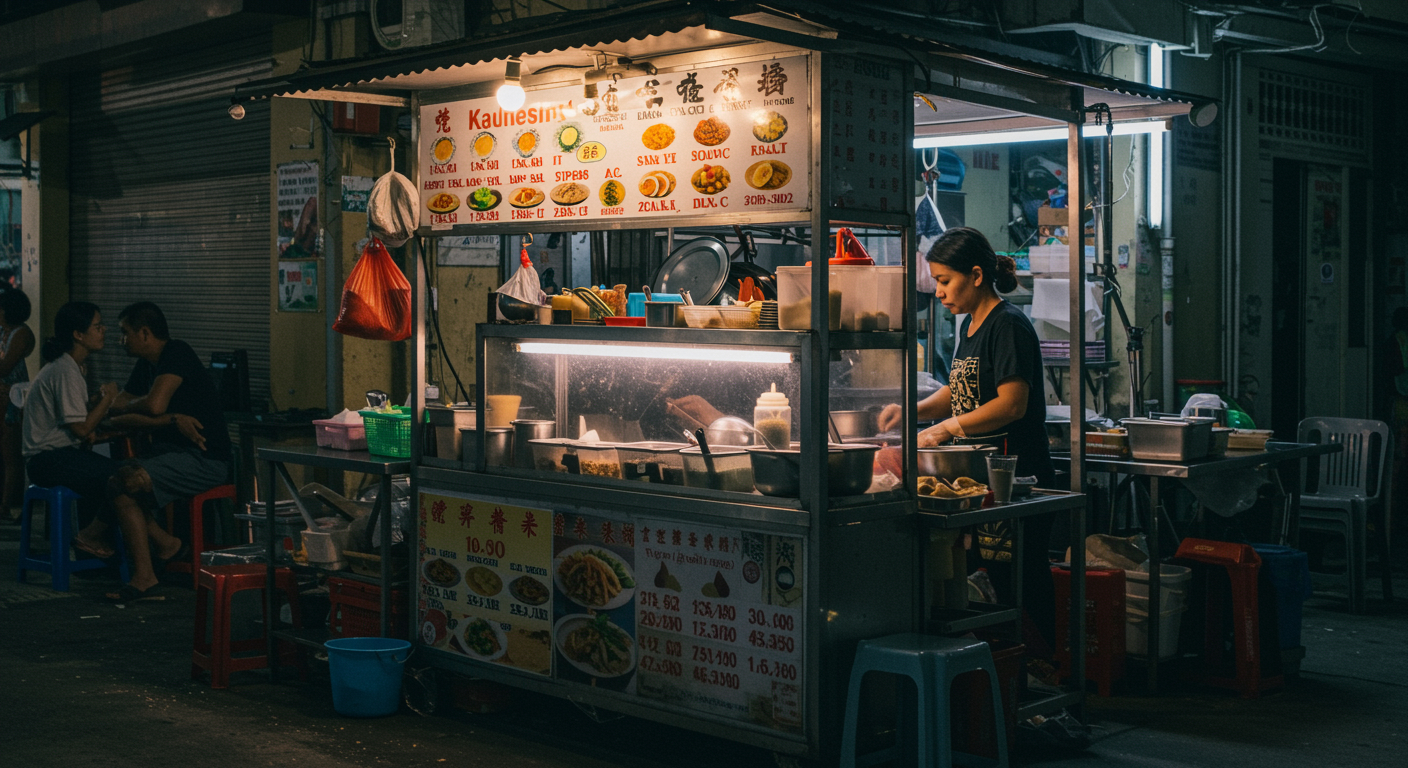
- Street food culture is deeply rooted
- Low entry barriers compared to many industries
- Opportunities for home-based operations
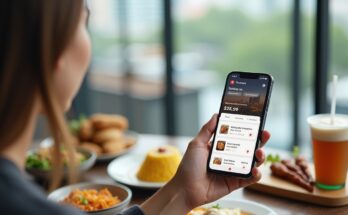
- Strong demand for delivery and takeaway
However, competition is also high, so differentiation is essential.
Step 1: Choose the Right Food Business Concept
Your concept determines your costs, target customers, and operational complexity.
Popular Small Food Business Models
Home-based business
- Cakes, cookies, meal prep
- Low startup cost
- Suitable for beginners
Food stall or hawker booth
- Moderate investment
- High foot traffic potential
Food truck
- Mobility advantage
- Higher setup cost
Small café or restaurant
- High investment
- Higher revenue potential
Choose a concept that matches your budget, skills, and time commitment.
Step 2: Identify Your Niche and Target Market
Avoid selling “everything.” Focus on a specific niche such as:
- Healthy meals
- Traditional Malaysian dishes
- Specialty coffee or beverages
- Halal fusion food
- Vegan or plant-based options
- Office lunch delivery
Understanding your target customers helps shape pricing, menu design, and marketing.
Step 3: Create a Simple Business Plan
You do not need a complicated document, but you should clarify:
- Business concept
- Target customers
- Estimated startup costs
- Pricing strategy
- Sales channels (walk-in, online, delivery)
- Profit expectations
A basic plan prevents costly mistakes later.
Step 4: Register Your Business
To operate legally, you must register your business with the Companies Commission of Malaysia (SSM).
Options
Sole proprietorship
- Most common for small food businesses
- Simple registration
- Lower cost
Partnership
- Suitable for co-founders
Registration can be done online via the SSM portal.
Step 5: Obtain Necessary Licenses and Permits
Food businesses in Malaysia require compliance with local regulations.
Common Requirements
- Local council license (Majlis Perbandaran)
- Food handling certification
- Typhoid vaccination for food handlers
- Halal certification (optional but valuable)
- Fire safety approval (for larger premises)
Requirements vary by location, so check with your local council.
Step 6: Complete Food Safety Training
Food safety is critical for protecting customers and maintaining your reputation.
Food handlers must attend approved training courses and follow hygiene standards such as:
- Proper food storage
- Clean preparation areas
- Safe cooking temperatures
- Personal hygiene practices
Non-compliance can lead to fines or closure.
Step 7: Estimate Startup Costs
Costs depend on your business model.
Typical Cost Categories
Equipment
- Cooking appliances
- Refrigeration
- Utensils
- Packaging supplies
Rental or space setup
- Stall rental
- Kitchen renovation
- Utilities
Licensing and permits
Initial inventory
Marketing expenses
Home-based businesses can start from a few thousand ringgit, while cafés may require significantly more capital.
Step 8: Design Your Menu Strategically
A smaller, focused menu is usually better for new businesses.
Benefits of a limited menu:
- Lower inventory costs
- Faster preparation time
- Consistent quality
- Easier staff training
Focus on dishes that are profitable, popular, and manageable.
Step 9: Source Reliable Suppliers
Consistent ingredients are essential for maintaining quality.
Consider:
- Local wholesalers
- Wet markets
- Specialty suppliers
- Bulk purchasing for cost savings
Build relationships with suppliers to ensure stable pricing and availability.
Step 10: Set Up Operations and Workflow
Efficient operations reduce waste and improve customer experience.
Plan:
- Kitchen layout
- Preparation process
- Order handling system
- Staff roles (if applicable)
For delivery-focused businesses, packaging and transport logistics are equally important.
Step 11: Create Your Brand and Identity
A strong brand helps your business stand out.
Key elements include:
- Business name
- Logo
- Packaging design
- Social media presence
- Unique selling proposition
Even small stalls benefit from consistent branding.
Step 12: Promote Your Food Business
Marketing is crucial, especially during the launch phase.
Effective Promotion Channels
Social media
- TikTok
Food delivery platforms
- GrabFood
- Foodpanda
Google Maps listing
- Helps customers find you easily
Word of mouth
- Still extremely powerful in Malaysia
Posting appetizing photos and customer reviews can significantly boost visibility.
Step 13: Focus on Customer Experience
Good food alone is not enough.
Customers remember:
- Service quality
- Waiting time
- Cleanliness
- Portion size
- Value for money
Satisfied customers become repeat buyers and brand advocates.
Step 14: Monitor Performance and Improve
Track key indicators such as:
- Daily sales
- Most popular items
- Profit margins
- Customer feedback
Use this information to refine your menu, pricing, and operations.
Common Mistakes to Avoid
- Starting without sufficient research
- Offering too many menu items
- Ignoring legal requirements
- Poor cost control
- Inconsistent quality
- Weak marketing
Avoiding these pitfalls significantly increases your chances of success.
Final Thoughts
Learning how to start a small food business in Malaysia involves more than cooking skills. It requires planning, compliance, financial discipline, and customer focus. Whether you begin from home or launch a full-scale café, taking a structured approach can help you build a sustainable and profitable venture.
With the right preparation, passion, and persistence, a small food business can grow into a long-term success in Malaysia’s vibrant food industry.
Frequently Asked Questions (FAQ)
How much money is needed to start a small food business in Malaysia?
Costs vary widely. Home-based businesses may start from a few thousand ringgit, while cafés or food trucks require significantly more capital.
Do I need a license to sell food from home?
Yes, home-based food businesses may still require permits, food handling certification, and compliance with local regulations.
Is Halal certification mandatory?
Halal certification is not mandatory for all businesses but is highly recommended if you target Muslim customers.
What is the easiest food business to start?
Home baking, packaged snacks, and simple meal delivery services are among the easiest entry points.
Can I start a food business without experience?
Yes, but proper training, research, and gradual scaling are important to reduce risks.